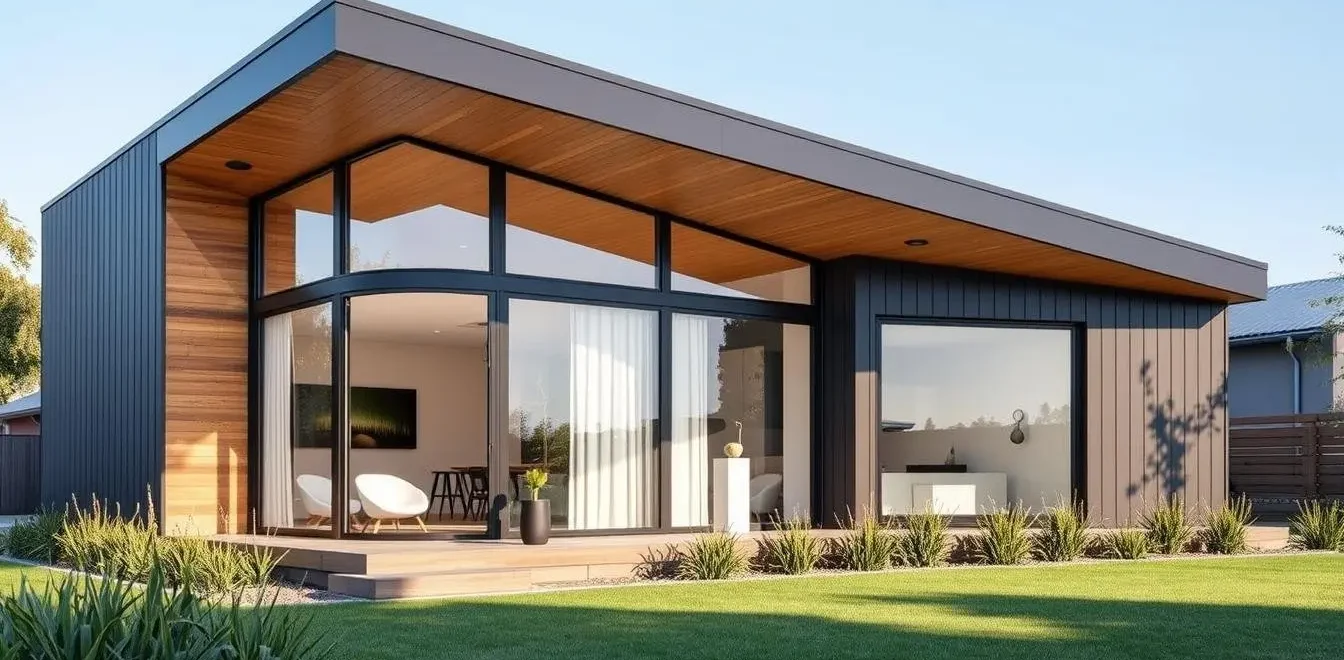
The concept of prefab modern homes has evolved from niche experimentation to a significant movement redefining contemporary architecture and sustainable living. As we move toward 2026, innovative prefab designs stand at the crossroads of technology, sustainability, and lifestyle evolution. These homes are not just structures; they represent a shift in how we think about housing, urban planning, and environmental responsibility.
Inspiring Prefab Designs Transforming Modern Living
The evolution of prefab modern homes has disrupted traditional construction paradigms, offering faster, more affordable, and aesthetically superior housing solutions. Prefabrication enables precision engineering in controlled environments, ensuring both quality and efficiency. Homeowners now experience sleek, minimalist layouts combined with flexible design features that reflect the essence of modern architecture.
Architects and designers are pushing boundaries by integrating natural light, modular furniture, and sustainable materials within prefab modern settings. The focus is not just on visual appeal but also on emotional and functional design harmony. Smaller spaces can now feel spacious and refined due to clever spatial planning and improved fabrication techniques.
These homes also embody future-ready architecture. The adaptability of prefab modern systems allows for future expansion or reconfiguration with minimal waste or disruption. By emphasizing smart material usage and modular scalability, these designs are shaping the blueprint of both urban and rural living alike.
Smart Prefab Homes Shaping a Greener Tomorrow
Sustainability remains at the heart of the prefab modern movement, offering a tangible solution to global housing and climate challenges. Prefabricated structures are designed with energy efficiency in mind, integrating passive design principles that reduce environmental impact. Through the use of recyclable materials, eco-friendly insulation, and renewable energy systems, these homes minimize carbon footprints while ensuring long-term cost savings.
Automation and smart technology are elevating prefab modern living to new standards. From AI-managed energy systems to water recycling and waste management, these intelligent homes seamlessly merge eco-conscious living with convenience. Each system is interconnected to optimize energy performance, making the home both sustainable and self-aware.
By adopting such practices, homeowners and developers are contributing to a circular economic model where waste is reduced, and resources are reused effectively. The growth of prefab modern developments demonstrates that sustainability and style can coexist, nurturing a greener and more balanced future. Learn more about sustainable building practices here.
Prefab Innovation Trends Defining Lifestyle in 2026
As we approach 2026, the prefab modern industry is expected to showcase cutting-edge innovations that redefine customization and comfort. With digitalization influencing every step of the design process, virtual integrations like 3D visualization and AI-assisted architecture are enhancing consumer participation. Homeowners can design their dream homes virtually and see them materialize with unmatched precision.
Emerging materials such as self-healing concrete, photovoltaic glass, and adaptable insulation systems promise to revolutionize prefab modern construction. These technologies ensure durability, energy efficiency, and low maintenance, positioning prefab homes as symbols of futuristic living. The emphasis on resilience and adaptability reflects a growing demand for housing that evolves with its inhabitants.
Prefab modern homes are also increasingly being designed with community integration in mind. Developers are considering shared green spaces, communal energy solutions, and adaptable neighborhood layouts that foster social interaction while maintaining privacy. This approach aligns with the global trend toward holistic living environments where sustainability meets social well-being.
Furthermore, the convergence of art, architecture, and digital intelligence is shaping lifestyle aesthetics in remarkable ways. The prefab modern home of 2026 will not just be a dwelling but a living organism—responsive to its environment, reflective of its owner, and resilient in a rapidly changing world.
The future of prefab modern homes embodies innovation, sustainability, and personalization—all essential qualities for a better tomorrow. As technology advances and our awareness of environmental responsibility deepens, these modular wonders will become integral to urban resilience and modern comfort. By embracing prefab modern living today, we are building not just homes, but sustainable legacies for generations to come.
Leave a Comment