
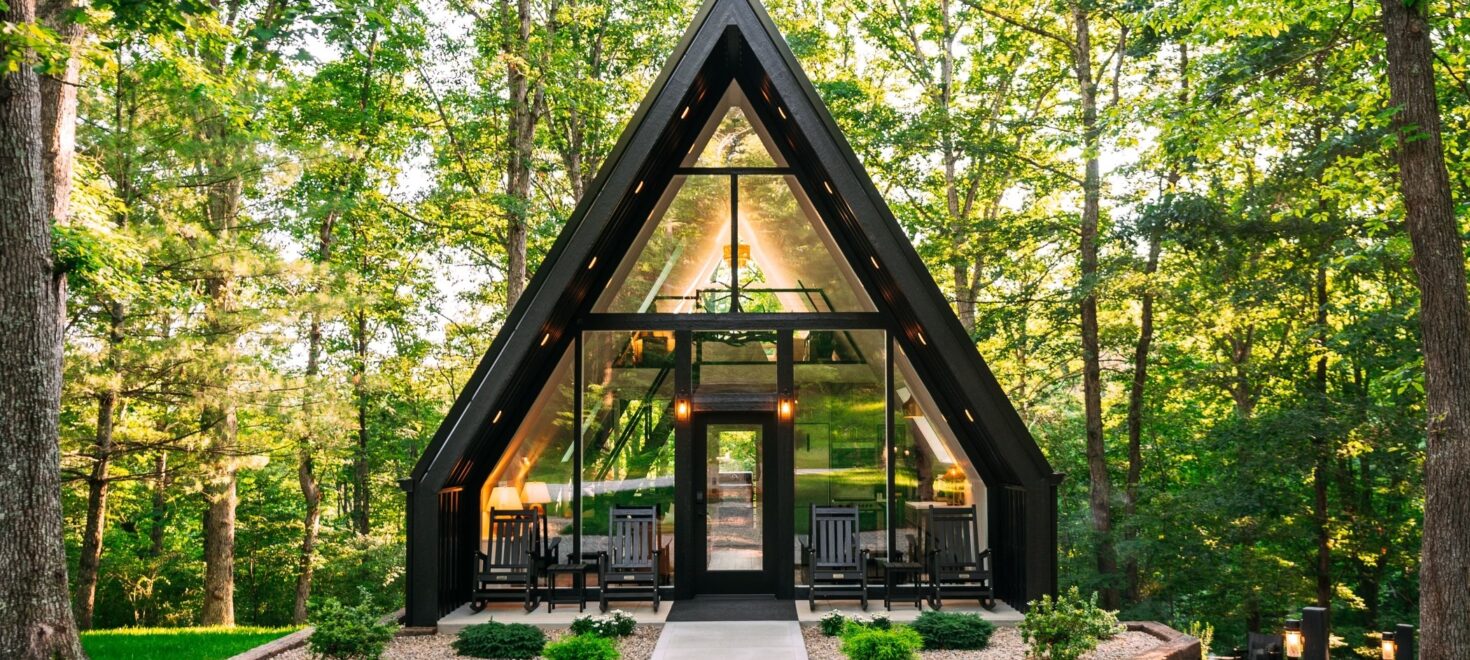
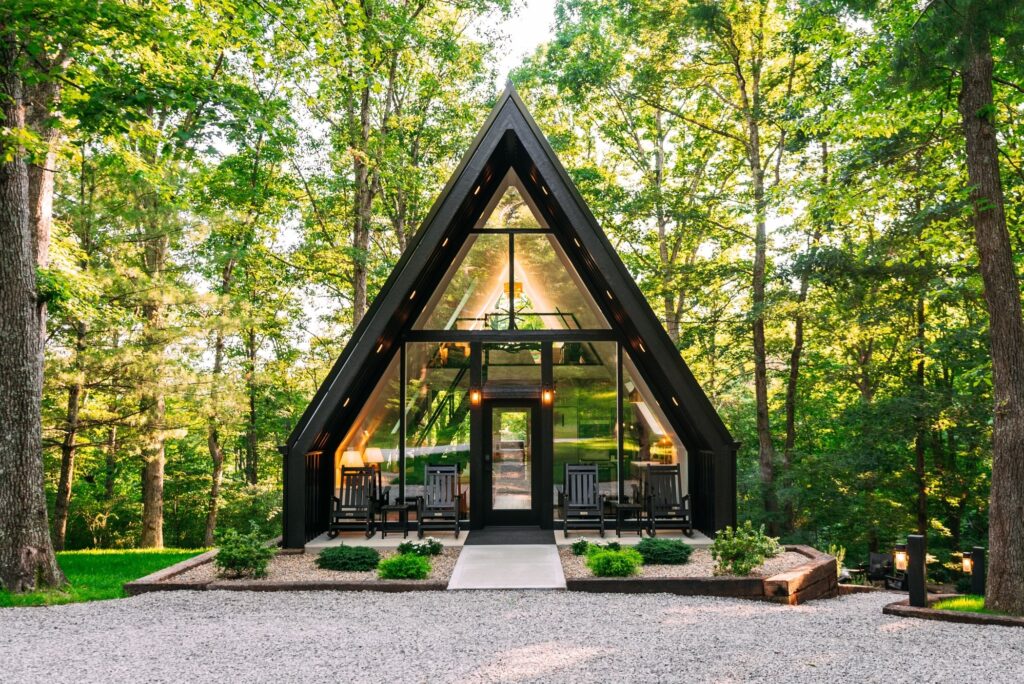
Designing an A-frame tiny home is an exciting journey that blends creativity, comfort, and sustainability. With their distinctive triangular shape and minimalist charm, these homes offer a unique way to live simply while embracing nature. However, designing one requires smart strategies to make every inch count and every detail shine. Here are seven brilliant ideas to help you shape the perfect A-frame tiny home that feels both functional and full of character.
1. Optimize the Roof Angle for Aesthetic and Efficiency
The signature feature of an A-frame tiny home is its steep roofline. Adjusting the roof angle goes beyond aesthetics—it influences insulation, interior space, and overall energy efficiency. A slightly shallower angle can create more usable loft space, while a steeper one sheds snow or rain more efficiently in cold climates. Align your roof’s pitch with your environment and style preferences for the best balance of form and function.
Choosing durable roofing materials is equally important. Metal or composite shingles are excellent for small homes since they last long and require minimal maintenance. Additionally, integrating skylights along the roof can introduce natural light while maintaining privacy, a must in compact spaces.
For energy-conscious homeowners, adding solar panels directly onto the angled roof surface can help offset power costs. The unique geometry of an A-frame tiny home makes it ideal for capturing sunlight efficiently, making this design both beautiful and eco-friendly.
2. Integrate Multi-Functional Furniture
When designing an A-frame tiny home, every piece of furniture should serve multiple purposes. Opt for foldable dining tables, convertible sofas, and storage benches that help declutter small spaces. Custom-built furniture designed to fit the unique sloped walls can maximize every awkward corner.
Built-in storage under staircases is another clever trick. It adds functionality without crowding the living area. And since A-frame tiny homes often feature open layouts, smart furniture placement helps define zones—like separating the living area from the workspace—without the need for additional walls.
Consider modular furniture that can adapt to changing needs. For instance, a Murphy bed can easily transform a sleeping space into a home office during the day. Flexibility is key to making your A-frame tiny home feel bigger than it really is.
3. Use Vertical Space for Clever Storage
With slanted walls and limited floor area, vertical planning is crucial in an A-frame tiny home. Use tall shelving units, hanging storage, and wall-mounted racks to take advantage of upward space. Floating shelves and pegboards can also help keep surfaces clear while adding a touch of rustic style.
The tip of the A-frame often goes unused, but it’s an ideal spot for compact loft storage. Baskets or bins can store seasonal items neatly out of sight.
Even the kitchen can benefit from vertical storage—think hanging pots, magnetic knife strips, and high-mounted cabinets. By thinking vertically, you’ll create a more open, breathable, and functional tiny home.
Maximizing Space and Light in Your A-frame Tiny Home
Natural light is essential in any A-frame tiny home because it enhances spaciousness and mood. Incorporate large windows on both sides of the frame to create an airy, open feel. Triangular end walls are perfect for floor-to-ceiling glass panes that blur the line between the indoors and the natural surroundings.
Adding strategically placed mirrors can also multiply the sense of space. Reflecting light creates depth, making small rooms appear much larger. Combine this with light-toned interior finishes—such as whitewashed wood or soft neutrals—to keep the interior bright and welcoming.
For those seeking privacy without sacrificing illumination, frosted glass or smart tinting options are great alternatives. They let in daylight while preserving seclusion, keeping your A-frame tiny home comfortable and serene.
5. Plan an Outdoor Extension
An effective way to expand living space in an A-frame tiny home is to create seamless indoor-outdoor connections. A wraparound deck, patio, or small porch can act as an extension of your living area. Sliding glass doors or a retractable wall system can merge the spaces beautifully.
Outdoor living areas are perfect for dining, lounging, or entertaining guests. By matching materials and colors with your home’s main structure, you maintain design harmony while enjoying extra functional space.
Adding features like a pergola, string lights, or an outdoor fire pit can further elevate comfort and charm. The outdoor extension transforms your A-frame tiny home into a versatile retreat that lets you enjoy nature year-round.
6. Choose Smart Lighting and Warm Accents
The right lighting can dramatically improve the ambiance of your A-frame tiny home. Layered lighting—combining overhead, task, and accent lights—creates a balanced, inviting atmosphere. Pendant lights or lantern-style fixtures can highlight the beautiful ceiling lines typical of A-frames.
Opt for soft, warm lighting to complement natural materials like wood and stone. Dimmer switches are a useful addition, allowing you to shift from bright work lighting to a cozy evening glow with ease.
In smaller spaces, light placement matters more than quantity. Focus on illuminating key functional zones—like kitchen counters, loft stairs, and reading nooks—to make your A-frame tiny home feel cohesive and comfortable.
Creative Interior Touches for a Cozy A-frame Tiny Home
7. Infuse Personality Through Materials and Decor
Your A-frame tiny home should reflect your personality and lifestyle. Natural materials—like reclaimed wood, woven textiles, and stone accents—create warmth and texture that highlight the home’s rustic charm. Combining modern lines with organic finishes strikes a perfect aesthetic balance.
Personal touches, such as handmade art, travel souvenirs, or vintage decor, will make the space distinctly yours. Since A-frames often feel cozy by default, softer elements like throw blankets, rugs, and cushions help enhance that snug feeling.
When it comes to color palettes, earthy tones or soft neutrals work beautifully. They complement natural light while promoting relaxation and cohesion throughout your A-frame tiny home.
Designing an A-frame tiny home is about more than just aesthetics—it’s a creative exercise in efficiency and lifestyle. By combining smart design, thoughtful lighting, and personalized touches, you can make a compact space feel expansive, inviting, and full of character. Whether it’s your full-time residence, weekend escape, or creative studio, the right ideas transform your A-frame tiny home into a truly brilliant living environment.
Leave a Comment