In 2026, simple living is less about giving things up and more about choosing a home that supports your time, budget, and peace of mind. That’s why prefab cabins are having a moment: they arrive faster than traditional builds, often cost less to plan and permit, and can be placed in locations where a full-size house feels unnecessary.
Whether you’re after a weekend hideaway, a downsized primary home, or a backyard studio that finally feels like “yours,” today’s prefab options look sharper, perform better, and waste far less space. Below are the ideas shaping the newest wave of cabin living, from affordability to smart layouts and off-grid readiness.
Stunning Prefab Cabins for Simple Living in 2026
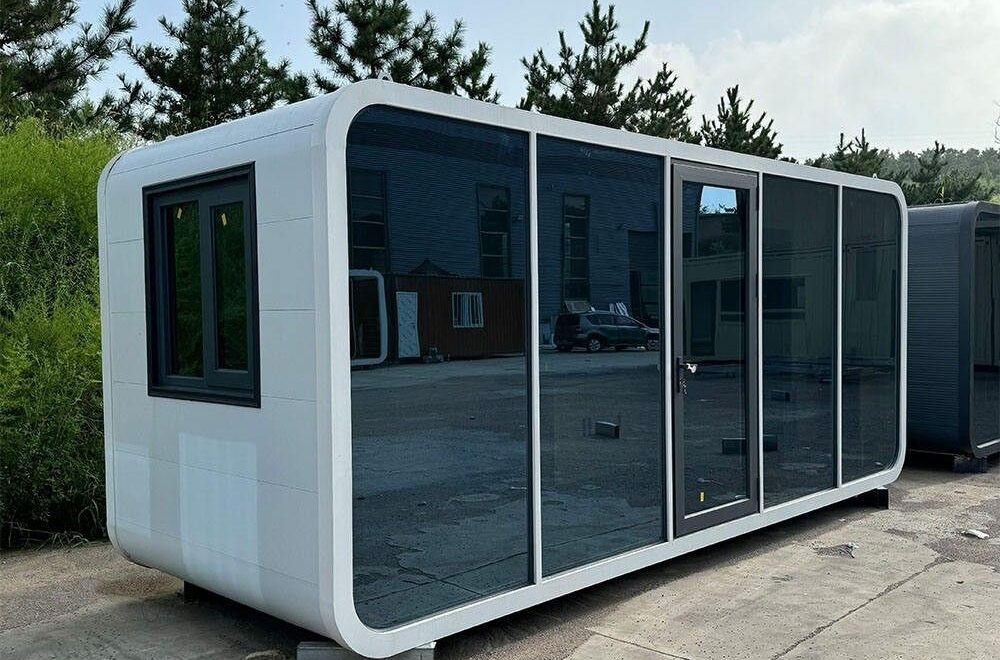
The appeal of prefab cabins starts with clarity: a smaller footprint means fewer decisions, fewer rooms to heat, and fewer corners to fill with stuff you never use. Many makers now lean into clean lines, warm woods, and big glass that makes compact interiors feel open. The result is a modern cabin aesthetic that still feels grounded and calming rather than flashy.
Another reason these homes stand out is speed and predictability. Because the structure is built in a factory (fully or in panels), weather delays and on-site surprises are often reduced. Buyers can typically choose from curated layouts and finish packages, which simplifies selections and keeps projects from ballooning into endless upgrades.
For inspiration and ideas on the latest designs, check out this guide on the best prefab timber frame cabins for 2026.
Finally, 2026 models increasingly emphasize comfort in all seasons. Better wall assemblies, high-performance windows, and thoughtful ventilation systems help small interiors stay cozy without huge energy bills. When you choose prefab cabins designed for your climate, “simple living” doesn’t mean compromising on warmth, quiet, or durability.
Prefab Cabins That Fit Modern Budgets and Small Spaces
Affordability is a major driver, and the best prefab cabins are designed to be budget-realistic without feeling bare. Manufacturers often offer tiered packages—shell, weather-tight, or turnkey—so you can decide what to DIY and what to outsource. That flexibility matters when labor costs vary wildly between regions.
Small spaces also benefit from standardization. A compact plan that’s been built repeatedly tends to have fewer design mistakes, tighter material estimates, and more reliable scheduling. Many prefab cabins under 600–900 square feet prioritize one great room, a true bedroom, and a bathroom that doesn’t feel like an afterthought.
To keep costs steady, look for designs that minimize complicated rooflines and oversized glazing while still delivering strong daylight. In prefab cabins, a well-placed window wall can do more than an expensive layout change. Pair that with durable, easy-clean finishes, and you get a cabin that stays attractive without constant maintenance.
Smart Layouts, Off-Grid Options, and Prefab Cabin Picks
The smartest layouts treat every inch like premium real estate. Built-in benches that hide storage, shallow closets that don’t steal floor area, and kitchen runs that avoid dead corners can make a small cabin feel surprisingly spacious. Loft sleeping areas are still common, but 2026 designs more often add proper headroom and safer stair solutions instead of steep ladders.
Off-grid capability is moving from niche to mainstream. Many prefab cabins now come “solar-ready” with simplified electrical chases, efficient lighting plans, and mechanical closets sized for batteries or inverters. Water strategies are improving too—think rainwater catchment compatibility, compact filtration spaces, and options that make sense for seasonal or remote sites.
When comparing picks, focus on the details that determine long-term comfort: insulation values, window specs, moisture management, and service access for plumbing and wiring. The best prefab cabins feel effortless because they’re engineered for real life—muddy boots, changing weather, and the need to live well with less.
The most compelling prefab cabins for simple living in 2026 blend beauty with practicality. Smaller spaces function better, build faster, and cost less to operate over time. If you prioritize a smart layout, durable materials, and the right level of off-grid readiness, a cabin can be more than a retreat—it can be a calm, efficient home base. The trend isn’t just about going smaller; it’s about choosing a space that makes everyday life lighter.
Leave a Comment