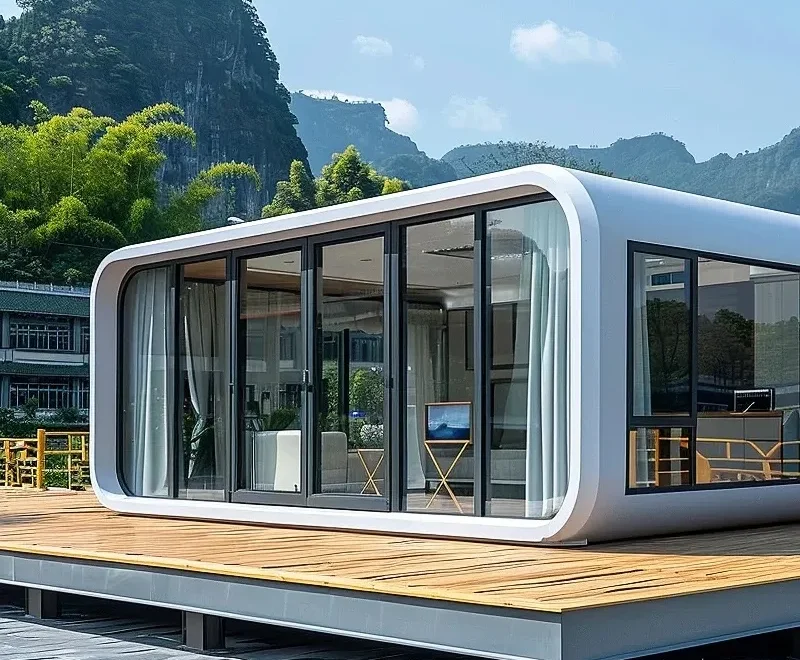
As cities grow denser and space becomes increasingly valuable, the concept of expandable container homes has captured the imagination of architects and homeowners alike. By 2026, these versatile structures are set to redefine the way people think about compact living. Merging smart design, sustainability, and advanced technology, expandable homes are no longer just a temporary solution but a permanent lifestyle revolution.
Smart Designs Driving the Future of Compact Living
The design revolution behind expandable container homes lies in the efficient use of space and flexibility. In 2026, architects are focusing on creating dwellings that can physically expand and contract based on the needs of the occupant. Through fold-out walls, retractable rooms, and modular sections, these homes offer adaptability much like nature itself — growing or shrinking to suit the moment.
Beyond flexibility, the aesthetic quality of these designs has improved significantly. Once seen as purely functional, container homes now incorporate sleek minimalist interiors and high-quality finishes that rival traditional residences. Homeowners can customize their layouts, interior themes, and exterior materials, making every structure unique while retaining the practicality of a modular framework.
Most impressively, these smart designs reflect a shift in cultural values as well. People are no longer defining wealth by size but by functionality, mobility, and innovation. Expandable container homes are, in many ways, symbols of a more agile and forward-thinking generation — one that values purpose-driven living over excess.
Sustainable Materials Reshaping Modern Homebuilding
Sustainability stands at the heart of the container home movement. By 2026, builders are using recycled steel, eco-friendly insulation, and renewable materials to construct expandable homes that are both durable and environmentally conscious. Every component is designed with lifecycle impact in mind, from solar-powered panels to reclaimed wooden finishes.
These homes go beyond reducing waste — they actively participate in environmental restoration. Many models feature rainwater harvesting systems, vertical gardens, and natural ventilation strategies that minimize dependency on external utilities. Smart energy management allows residents to live comfortably without leaving a significant carbon footprint.
This focus on sustainable materials is revolutionizing the broader housing industry. Traditional builders are taking cues from the container home market, integrating recyclable materials and modular design strategies into mainstream projects. The result is an emerging blueprint for cities that are greener, lighter, and better prepared for the environmental challenges of the future.
Tech Innovations Making Expandable Homes Mainstream
Technology is the driving force turning expandable container homes from novelty to norm. In 2026, advancements in automation and smart home connectivity allow residents to control expansion mechanisms, temperature, and lighting through voice or app-based systems. These innovations enable seamless comfort, enhancing the convenience of living within a dynamic, adaptive space.
AI-powered design tools have also made customization easier and more affordable. Prospective homeowners can digitally visualize, test, and personalize layouts before a single container is modified. This democratization of design has lowered construction costs and accelerated production timelines, making expandable homes accessible to a wider audience.
Furthermore, innovation in prefabrication and robotics ensures faster, cleaner, and more precise assembly. What once took months to build can now be set up in days. This efficiency not only saves money but also reduces environmental disruption — a crucial step toward more sustainable urban expansion.
Join the Conversation
Expandable container homes in 2026 represent far more than an architectural trend — they embody a shift toward smarter, greener, and more adaptive living. Through clever design, sustainable materials, and technological integration, these homes are demonstrating how humanity can thrive within compact spaces without compromising comfort or style. As the world faces growing environmental and societal challenges, the rise of expandable homes signals a hopeful future where innovation truly meets necessity.
The conversation around the future of housing is constantly evolving, and your voice is important. Are you an architect with a groundbreaking design, a homeowner with a container home story to share, or simply inspired by the possibilities? We invite you to get in touch. Whether you have questions, feedback, or ideas for a collaboration, reach out to us today and let’s explore the future of living together.
Leave a Comment